

Building the skills to Create, not Just Consume
Modern adult life is structured around reaction. Messages arrive, meetings stack, notifications interrupt, and attention is pulled in multiple directions at once. Much of the day is spent absorbing information rather than shaping it. We read, watch, scroll and comment — but rarely pause to build something ourselves.
Theatre interrupts that pattern.
A rehearsal room operates on a different logic. Nothing exists until someone proposes something and others begin building on it. A scene starts with a small offer — a line, a gesture, a relationship — and develops through listening, responding and collaboration. Ideas are tested, adjusted and expanded by the group.
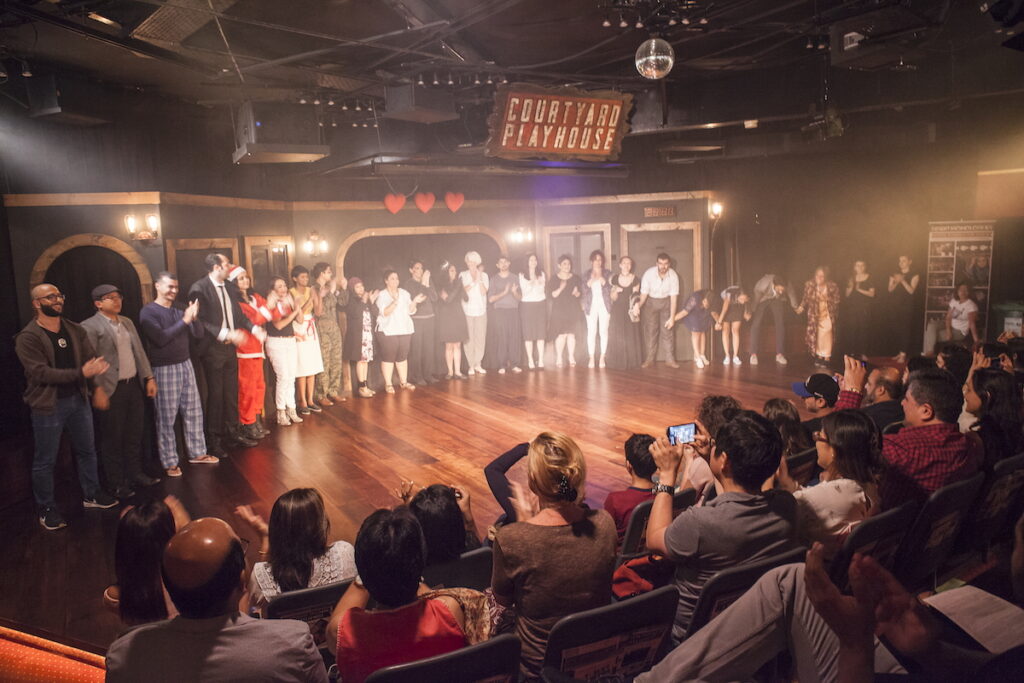
In this sense, theatre is less about performance than about construction.
Scenes are assembled piece by piece. A moment becomes a situation. A character takes shape through choices made in rehearsal. What matters is not polish but process — the shared act of creating something that did not exist before the room came together.
This principle runs through all forms of theatre training.
Improvisation makes it immediately visible. Performers accept what is offered and add to it, building scenes together in real time. Creativity emerges not from individual brilliance but from collective momentum.
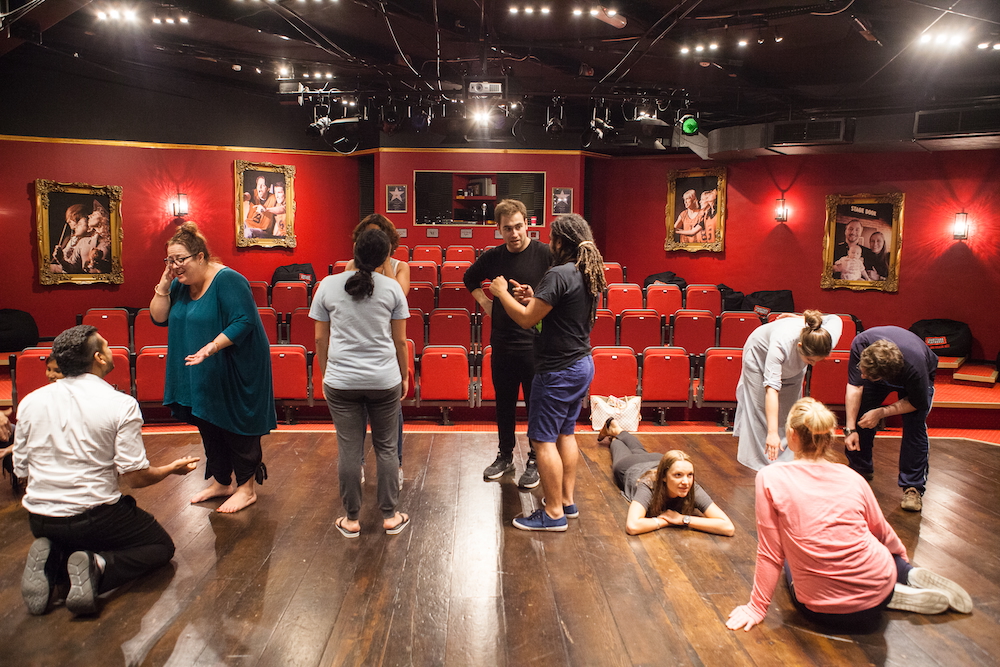
Acting approaches the same process through text. A monologue or scene becomes a starting point for exploration. Actors examine intention, voice and physical presence, testing choices in rehearsal and refining them through feedback and collaboration. What may appear solitary on stage is actually shaped through dialogue with directors, teachers and fellow actors.
Across both forms, creativity becomes something practical.
Theatre director Peter Brook described the conditions that make creative work possible with striking clarity:
“A true creative state is one in which the mind is not divided.
When attention is scattered, creativity becomes superficial.
Only when attention is whole can something real begin to appear.”
— Peter Brook, The Shifting Point
Brook’s observation points to something fundamental about theatre: creativity emerges when people are fully engaged with the moment and with each other. The work is not imported from outside; it grows from the exchange happening in the room.
This stands in contrast to much of contemporary culture, where value is measured through consumption — views, likes, shares and impressions. Theatre operates in another economy. Its value lies in something ephemeral: a shared experience that exists only because people are actively constructing it together.
Scenes appear, evolve and disappear. What remains is the experience of having made something collectively.
For many adults, returning to that process is unexpectedly energising. The pressure to produce something perfect fades. In its place comes curiosity: what happens if we try this? What happens if we build on that?
Creativity stops feeling like a rare talent and begins to feel like a habit — something strengthened through participation, rehearsal and collaboration.
This season’s frame, Pause the Noise. Build the Scene, reflects that shift.
Not a retreat from the world, but a change in posture.
Less consumption. More construction.
A room. A group of people. An idea that didn’t exist before. And the process of building it together.
